Where Small And Large Intestine Connect : Hernias And Bowel Obstructions The Surgical Clinic / Small intestine major function is to absorb nutritional vitamins from the meals whereas large intestine take up water, salts and retailer feces.
Dapatkan link
Facebook
X
Pinterest
Email
Aplikasi Lainnya
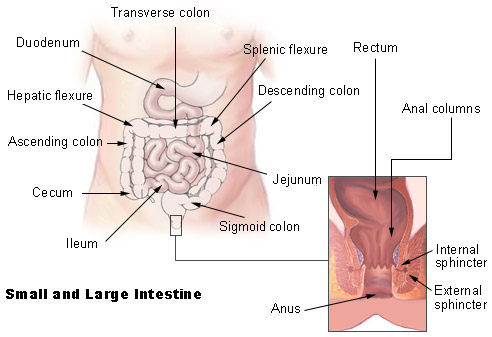
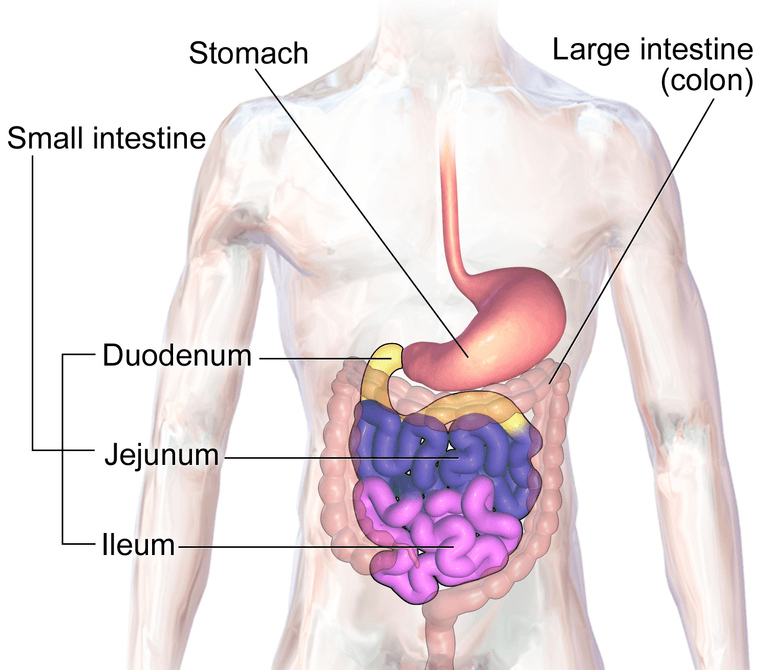
Where Small And Large Intestine Connect : Hernias And Bowel Obstructions The Surgical Clinic / Small intestine major function is to absorb nutritional vitamins from the meals whereas large intestine take up water, salts and retailer feces.. Recovery of water and electrolytes. The large intestine is made up of the cecum, the ascending (right) colon, the transverse (across) colon. It begins at the ileocecal junction, where the ileum enters the large intestine, and ends at the anus. .small intestine , consisting of the duodenum , the jejunum, and the ileum ; The last section of the small intestine is called the ileum and the beginning if the colon or large intestine is the caecum.
It lies between the stomach and large intestine. Which of the following organs is where most nutrients are absorbed large intestine *** esophagus small intestine stomach 2. The small intestine bacteriaa, while inhabiting areas optimal for growth have a doubling time of roughly 10 hours. Difference between small and large intestine. In this article, we describe what the intestines are and what they do, as well as related health problems and their treatments.
Seer Training Small Large Intestine from training.seer.cancer.gov Or chewing, food is prepared in the mouth for transport through the upper digestive tract into the stomach and small intestine, where the. Webmd's intestines anatomy page provides a detailed image and definition of the intestines. It connects with the small intestine at the cecum, ascends up and across the abdomen and then descends down to the rectum. Recovery of water and electrolytes. After food is broken down in the duodenum, it moves into the jejunum, where the inside walls absorb the food's nutrients. The large intestine is approximately 6 feet in length, while the small intestine is much longer, at approximately 21 feet. The large intestine is primarily responsible for removing water from the contents of the intestine and making it ready for removal from the body. The small intestine is connected to the stomach and handles the middle part of the digestion process.
The small intestine and large intestine are connected.
It connects with the small intestine at the cecum, ascends up and across the abdomen and then descends down to the rectum. The mucosa is surrounded by the submucosa, which is a layer of blood vessels, nerves and connective tissue that supports the other layers of the large intestine. The small intestine or small bowel is an organ in the gastrointestinal tract where most of the end absorption of nutrients and minerals from food takes place. Food is broken down into smaller and smaller particles. The function of the large intestine is to get rid of food left over after the nutrients are removed from it, bacteria and other waste. This is the largest part of the digestive system. Webmd's intestines anatomy page provides a detailed image and definition of the intestines. The large intestine frames these three parts of the small intestine. The small intestine is a tube that is connected to the large intestine on one end and the stomach on the other end. The ileocaecal valve controls the entry of material from the last part of the small intestine called the ileum. Name the area where small and large intestine are connected to each other. The small intestine is thin, only approximately 2.5 cm or 1 inch in width, though it is extremely long, somewhere from 6 to 7.6 m or 20 to 25 feet in length in the average adult. So those are our three small intestine.
Waste products from the digestive process include undigested parts of food, fluid, and older cells lining your stomach and small intestine make and release hormones that control how your digestive you have nerves that connect your central nervous system—your brain and spinal. The small intestine and large intestine are connected. Difference between small and large intestine. So those are our three small intestine. In this article, we describe what the intestines are and what they do, as well as related health problems and their treatments.
The Human Digestive System Organs Functions And Diagram from microbenotes.com Or chewing, food is prepared in the mouth for transport through the upper digestive tract into the stomach and small intestine, where the. The large intestine frames these three parts of the small intestine. The small intestine, or small bowel, is a hollow tube about 20 feet long that runs from the stomach to the beginning of the large intestine. Intestinal parts are very important as they absorb nutrients and other substances from foods and eliminate. The longest (up to 34 feet) and narrowest part of digestive tract, small where does most of the absorption of the nutrients take place? So those are our three small intestine. A part of the digestive tract where the majority of nutrients are absorbed. The large intestine, or colon, is responsible for processing waste so that emptying the bowels is easy and convenient.
The small intestine or small bowel is an organ in the gastrointestinal tract where most of the end absorption of nutrients and minerals from food takes place.
It is small intestine which, though small in diameter, is the longest part of the. Webmd's intestines anatomy page provides a detailed image and definition of the intestines. .small intestine , consisting of the duodenum , the jejunum, and the ileum ; The intestine is a muscular tube which extends from the lower end of your stomach to your anus, the lower opening of the ileum is where most of the nutrients from your food are absorbed before emptying into the large intestine. The function of the large intestine is to get rid of food left over after the nutrients are removed from it, bacteria and other waste. The small intestine is much smaller in diameter, but is much longer and more massive than the large intestine. So those are our three small intestine. Food is broken down into smaller and smaller particles. The main function of this organ is to aid in digestion. The small and large intestines. The small intestine is connected to the stomach and handles the middle part of the digestion process. The large intestine frames these three parts of the small intestine. The wall of the large intestine has the same types of tissue that are found in other parts of the digestive tract but there are some.
Name the area where small and large intestine are connected to each other. Food is broken down into smaller and smaller particles. The small intestine bacteriaa, while inhabiting areas optimal for growth have a doubling time of roughly 10 hours. After food is broken down in the duodenum, it moves into the jejunum, where the inside walls absorb the food's nutrients. It is small intestine which, though small in diameter, is the longest part of the.
Exploring The Small Intestine from www.verywellhealth.com They have elongated tube like structure with a lumen inside. They are connected to the posterior wall of the abdomen by the mesentery, a thin vascular membrane. The large intestine, or colon, is responsible for processing waste so that emptying the bowels is easy and convenient. The small intestine is connected to the stomach and handles the middle part of the digestion process. The intestine is also where most water is absorbed, via osmosis. The small intestine is a tube that is connected to the large intestine on one end and the stomach on the other end. The longest (up to 34 feet) and narrowest part of digestive tract, small where does most of the absorption of the nutrients take place? The small intestine or small bowel is an organ in the gastrointestinal tract where most of the end absorption of nutrients and minerals from food takes place.
The large intestine frames these three parts of the small intestine.
The large intestine frames these three parts of the small intestine. The intestines absorb nutrients and vitamins and are part of the gastrointestinal (gi) tract. The intestines are located inferior to the stomach in the abdominal body cavity. 1 what does the small intestine look like? Webmd's intestines anatomy page provides a detailed image and definition of the intestines. We explain small intestine with video tutorials and quizzes, using our many ways(tm) approach from multiple and then the end portion that connects to the large intestine is the ileum. Or chewing, food is prepared in the mouth for transport through the upper digestive tract into the stomach and small intestine, where the. The large intestine is primarily responsible for removing water from the contents of the intestine and making it ready for removal from the body. .small intestine , consisting of the duodenum , the jejunum, and the ileum ; The large intestine is made up of the cecum, the ascending (right) colon, the transverse (across) colon. The ileocaecal valve controls the entry of material from the last part of the small intestine called the ileum. It connects with the small intestine at the cecum, ascends up and across the abdomen and then descends down to the rectum. The small intestine is much smaller in diameter, but is much longer and more massive than the large intestine.
Candy Dolltv - Candydoll Tv Laura B Set Vipergirls Pictures To Pin On - Foto - Essa bela modelo em um video muito bom. . To start this download, you need a free bittorrent client like qbittorrent. According archive.org earliest cache of their website is from february 2018, and according candydoll.tv the website ended on. Site pour adulte comportant de la nudité. Cute, girl, model, teen, preteen, candydoll, piona, pionap, candy doll, child model, lolita. También podrá explorar más de 11 millones de videoclips en alta calidad que abarcan todas las categorías. Candydoll ブライトピュアパック オンライン限定大容量 【 角質 角栓 黒ずみ 美白 ケア 】益若つばさ プロデュース フェイスパック ボディパック スキンケア 日本製. Watch premium and official videos free online. Encore plus de liens et de fonctionnalités. Site pour adulte comportant de la nudité. Download millions of videos online. Candydoll - Page 14 from imx.to Cute, gi...
Ufc 257 Youtube Tv : Khabib Nurmagomedov Believes He Will Lose Lightweight Belt ... / Конор, конор макгрегор, макгрегор, ufc, дастин порье, порье, хабиб, нурмагомедов, хабиб нурмагомедов, бои, мма, дастин, mma, бой, хабиб конор, конор … . Subscribe to get all the latest ufc content. Michael chandler, matt frevola, arman tsarukyan and. Dustin poirier flies to abu dhabi alongside bruce buffer, dana white, and a paw patrol good luck charm. The ufc 257 press conference started at 8:00 am et/5 am pst, broadcasting live from ufc fight island in abu dhabi, ahead of conor mcgregor and dustin poirier's at ufc 257 on saturday. Конор, конор макгрегор, макгрегор, ufc, дастин порье, порье, хабиб, нурмагомедов, хабиб нурмагомедов, бои, мма, дастин, mma, бой, хабиб конор, конор … The ufc 257 press conference started at 8:00 am et/5 am pst, broadcasting live from ufc fight island in abu dhabi, ahead of conor mcgregor and dustin poirier's at ufc 257 on saturday. Subscribe to...
Tatuaje Nico Vazquez Rosario - Noticias: El Tatuaje de Nico Vázquez - En letra cursiva y color negro, nico se grabó en su piel. . My darling parents nico vazquez and gimena accardi aka argentina's golden couple. Nico, que está instalado en mar del plata en donde está haciendo temporada con la obra el otro lado de la cama, se distendió en la playa junto a fue el sitio ciudad.com el que reveló el flamante tatuaje que se hizo el actor en el antebrazo derecho. Fanático de los tatuajes, nico vázquez decidió sumar uno nuevo en su espalda. Get in touch with nico vazquez (@nicolasvazquez818) — 312 answers, 205 likes. Además, habló de su intimidad con nico vázquez. Nico vázquez se prepara para hacer temporada en mar del plata. Además de estos dos que mencionamos, nico lleva tatuado en su cuerpo el nombre de su hermano santiago, una cruz, un rosario y la frase. Lo que pasa en la televisión, el teatro, la música y el entretenimiento. Contact nico vazquez on messenger. Gimen...
/186450274-56a504703df78cf77285fee3.jpg)


Komentar
Posting Komentar